Post
Best Isolating the Signal: The Engineering of Noise-Canceling Wireless Headphones 1
May
Isolating the Signal: The Engineering of Noise-Canceling Wireless Headphones
In the high-entropy environments of modern life—bustling coffee shops, crowded university libraries like those at FPT Polytechnic, or open-plan offices—your acoustic environment is often saturated with “background noise.” For a developer troubleshooting a memory leak in a Node.js backend or a student attempting to parse a complex textbook chapter, these auditory distractions act as high-frequency interrupts. Every overheard conversation or hum of an air conditioner triggers a cognitive context switch, draining your mental RAM and increasing the time it takes to enter a “flow state.” The definitive hardware patch for this environmental interference is a pair of professional-grade noise-canceling wireless headphones.
Unlike standard audio gear, noise-canceling headphones act as a physical and digital “sandbox” for your ears. By combining passive physical barriers with Active Noise Cancellation (ANC) algorithms, they manipulate sound waves to create a vacuum of silence. In this technical deep dive, we will decode the physics of destructive interference, the logic of the signal-to-noise ratio (SNR), the UI of transparency modes, and why this specific audio module is a mandatory investment for your cognitive infrastructure.
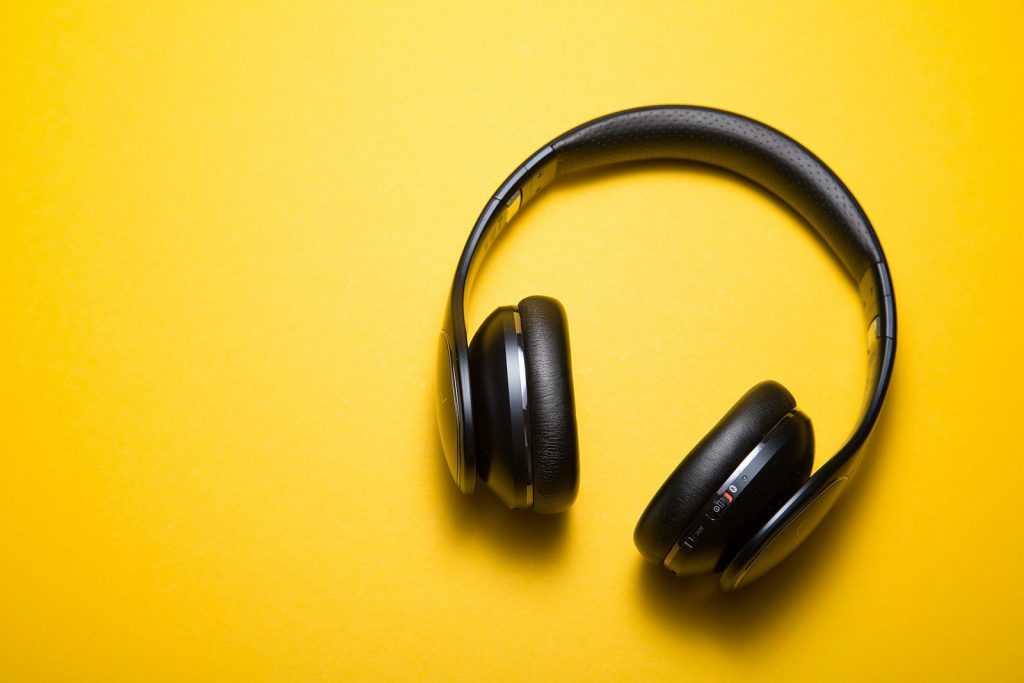
Deploy an acoustic sandbox to shield your cognitive processes from environmental noise and maximize your concentration uptime.
The Physics of Silence: Active Noise Cancellation (ANC)
To understand the utility of noise-canceling wireless headphones, we must analyze how sound operates as a wave. Every sound you hear is a pressure wave with a specific frequency and amplitude. Active Noise Cancellation is a real-time application of wave physics designed to neutralize these waves before they reach your eardrum.
Destructive Interference Logic: Isolating the Signal: The Engineering of Noise-Canceling Wireless Headphones 1
Housed inside the earcups are microscopic, high-fidelity microphones. These microphones act as “External Sensors,” constantly sampling the ambient noise of your environment. This analog data is sent to an internal Digital Signal Processor (DSP), which analyzes the incoming sound wave and generates an “Anti-Wave”—a sound wave with the exact same amplitude but an inverted phase (180 degrees out of sync).
When the original noise wave meets the generated anti-wave, they execute a Destructive Interference protocol. The peak of the noise wave meets the trough of the anti-wave, effectively canceling each other out and resulting in a near-flat line of silence. This process happens in milliseconds, allowing the headphones to adapt to changing environments—like the sudden roar of a bus engine or the hum of a server room—ensuring your personal signal-to-noise ratio remains optimized for focus.Isolating the Signal
Acoustic Architecture: Passive Isolation vs. Active Neutralization
A professional Isolating the Signal system does not work in a vacuum; it relies on a foundational “hardware firewall” known as passive isolation. The physical design of the headphones is engineered to block as much high-frequency sound as possible before the digital algorithms even engage.
The Memory Foam Seal: Isolating the Signal
The earcups are typically crafted from high-density, viscoelastic memory foam wrapped in premium protein leather. This material is designed to conform to the unique geometry around your ears, creating an airtight seal. This physical barrier is exceptionally effective at blocking high-frequency “transient” sounds, such as a colleague typing on a mechanical keyboard or the clinking of coffee cups. The ANC system then focuses its processing power on neutralizing low-frequency “drones,” such as the 60Hz hum of a building’s electrical system. Together, this dual-layered defense provides 360-degree acoustic protection.

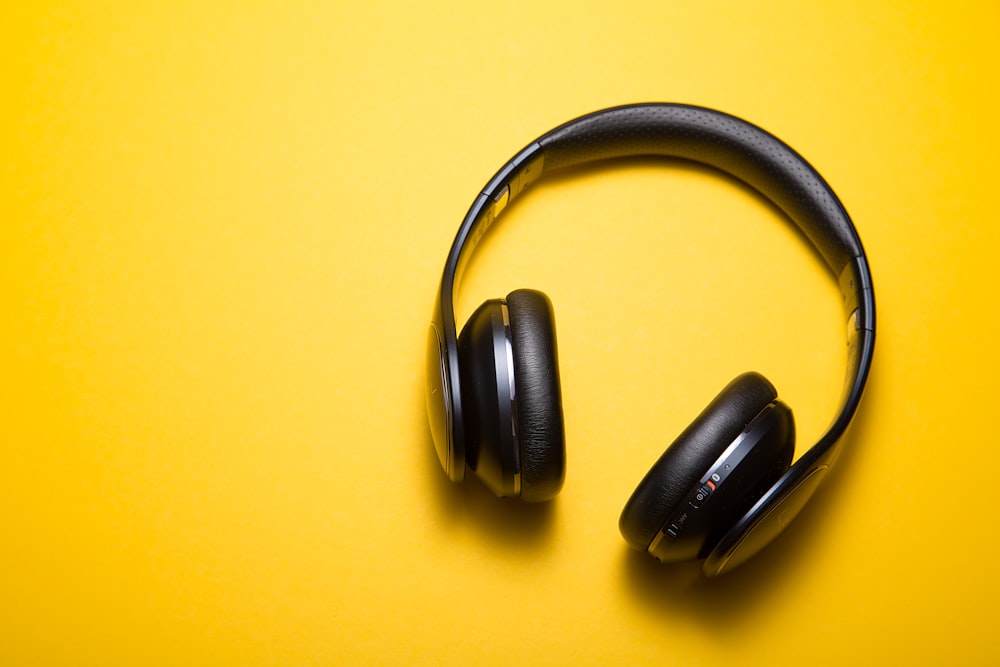
Touch-sensitive UI and USB-C power delivery streamline your interaction with your acoustic environment.
Handling Interrupts: Transparency and Awareness Modes
In software development, an “interrupt” is a signal that alerts the processor to a high-priority event that requires immediate attention. Total acoustic isolation can be dangerous or inefficient when you need to handle a real-world interrupt—such as a flight announcement at an airport or a teacher addressing the class at FPT Polytechnic.
The “Listen-In” Protocol: Isolating the Signal
Premium noise-canceling wireless headphones feature a “Transparency Mode.” When activated via a touch-gesture or a dedicated button, the internal DSP reverses its logic. Instead of canceling ambient noise, the microphones capture the surrounding voices and pipe them directly into your speakers. This allows you to have a full conversation or hear critical safety information without ever having to deprovision (remove) the headphones. It provides a “Pass-Through” for the real world, allowing you to handle the interrupt and then immediately return to your isolated flow state with a single tap.
Connectivity and Power Logic: The Multipoint Protocol
For a professional managing a complex hardware stack, the ability to switch between data sources seamlessly is critical. Modern wireless headphones utilize advanced Bluetooth 5.0+ protocols with “Multipoint” connectivity.
- Dual-Device Pairing: Multipoint logic allows the headphones to maintain a simultaneous active connection to two devices—for example, your development laptop and your smartphone. If you are watching a documentation video on your laptop and receive a call on your phone, the headphones will intelligently “switch the bus,” pausing the video and routing the call audio to your ears.
- High-Fidelity Codecs: To ensure “Zero-Loss” audio transmission, these headphones support high-bitrate codecs like LDAC or aptX HD. This ensures that the audio signal remains crisp and detailed, reducing the cognitive load required to parse low-quality audio during long virtual meetings.
- Extended Runtime: With high-density lithium-ion batteries, a single charge can provide 30 to 50 hours of active runtime. Rapid-charge features ensure that a 10-minute “emergency charge” provides enough power for 5 hours of use, ensuring your acoustic firewall is always ready for a full shift.
Conclusion: The Ultimate Productivity Shield
We live in a world of constant auditory pollution. For the focused developer, student, or professional, this noise is a constant drain on productivity and mental health. Noise-canceling wireless headphones are the ultimate hardware solution to this environmental challenge. By leveraging the physics of destructive interference and the logic of multipoint connectivity, they provide a portable sanctuary of silence wherever you choose to work. Upgrade your audio infrastructure today, isolate your signal from the noise, and experience the profound clarity of a perfectly sandboxed environment.
Frequently Asked Questions (FAQ)
Q: Does noise-canceling affect the quality of the music?
A: While early ANC technology could sometimes introduce a slight “hiss” or alter the bass response, modern premium DSPs are incredibly transparent. In fact, by removing the background noise, Isolating the Signal ANC allows you to hear the subtle details of your music or podcasts at lower, safer volumes, improving the overall signal quality.
Q: Can I use noise-canceling headphones without playing any music?
A: Absolutely. This is a common deployment for deep work or study. You can simply turn on the ANC to create a “silent environment” that helps you focus on reading or writing without the distraction of music, effectively using the headphones as high-tech earplugs.
Q: Will these headphones work if my battery dies?
A: Most premium wireless headphones include a 3.5mm backup cable. If your battery is depleted, you can plug in for passive audio. However, please note that the Active Noise Cancellation (ANC) circuitry requires power to function; once the battery is dead, you will only have the passive isolation provided by the memory foam earcups.
Q: Is it safe to wear noise-canceling headphones for 8+ hours a day?
A: Yes, provided you maintain healthy volume levels. Because ANC removes the need to “crank the volume” to drown out external noise, it is actually safer for your hearing long-term. Ergonomically, premium models are designed with lightweight materials and pressure-relieving headbands to ensure comfort during long-duration sessions.
