Post
Modern Minimalist Kitchen: A Sanctuary of Style and Functionality
25
May
May
Modern Minimalist Kitchen: A Sanctuary of Style and Functionality
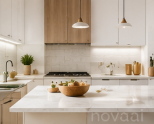
In the realm of interior design, the modern minimalist kitchen stands as a testament to the enduring appeal of simplicity, clean lines, and unparalleled functionality. Far from being stark or uninviting, these kitchens are meticulously crafted spaces that exude a sense of calm, order, and sophisticated elegance. They are designed not just for cooking, but for living, offering a serene backdrop for culinary exploration, family gatherings, and quiet contemplation.
The Philosophy of Minimalism in Kitchen Design
Minimalism, at its core, is about stripping away the superfluous to reveal the essential. In kitchen design, this translates to a focus on essential elements, high-quality materials, and a thoughtful approach to storage and organization. The goal is to create a space that feels open, uncluttered, and effortlessly chic, where every item has a purpose and every surface is free from unnecessary adornment.
Key Principles:
Clean Lines and Uninterrupted Surfaces: Modern minimalist kitchens are characterized by their sleek, straight lines and smooth, unadorned surfaces. Handleless cabinets, integrated appliances, and flush-mounted fixtures contribute to a seamless, streamlined aesthetic.
Neutral Color Palettes: A subdued color palette is a hallmark of minimalist design. Whites, grays, blacks, and natural wood tones dominate, creating a sense of tranquility and spaciousness. These neutral bases also allow for subtle pops of color through carefully chosen accessories or fresh produce.
Emphasis on Natural Light: Maximizing natural light is crucial in minimalist kitchens. Large windows, skylights, and open-plan layouts are often employed to flood the space with daylight, enhancing the feeling of openness and connecting the interior with the outdoors.
High-Quality Materials: While the design is simple, the materials are anything but. Premium finishes like quartz countertops, stainless steel appliances, solid wood cabinetry, and polished concrete floors are common, chosen for their durability, beauty, and tactile appeal.
Smart Storage Solutions: Clutter is the enemy of minimalism. Therefore, intelligent and ample storage is paramount. Pull-out pantries, deep drawers, hidden compartments, and integrated waste bins ensure that everything has its place, keeping countertops clear and the space tidy.
Designing Your Modern Minimalist Kitchen
Modern Minimalist Kitchen
Creating a modern minimalist kitchen involves a careful consideration of various elements, from the layout to the smallest details. It’s a holistic approach that prioritizes both aesthetics and practicality.
Modern Minimalist Kitchen
Layout and Flow:
The layout of a minimalist kitchen often adheres to the principles of efficiency and ease of movement. The classic
work triangle (sink, stove, refrigerator) is often optimized for seamless workflow. Open-plan designs are popular, integrating the kitchen with dining and living areas to create a cohesive and expansive living space.
Cabinetry and Finishes:
Cabinets are the backbone of any kitchen, and in a minimalist design, they are often sleek, handleless, and extend to the ceiling to maximize storage and create a clean, unbroken line. Finishes typically include matte or high-gloss laminates, lacquered wood, or painted surfaces in neutral tones. Integrated appliances, such as refrigerators, dishwashers, and ovens, are concealed behind cabinet panels to maintain the streamlined look.
Countertops and Backsplashes:
Countertops are usually made from durable, low-maintenance materials like quartz, granite, or solid surface composites. They are often light-colored to reflect light and contribute to the open feel. Backsplashes are kept simple, often extending from the countertop to the upper cabinets in a single, continuous material, or using subtle subway tiles or glass panels.
Lighting:
Lighting in a modern minimalist kitchen is both functional and aesthetic. Recessed lighting provides general illumination, while under-cabinet LED strips offer task lighting for food preparation. Pendant lights, if used, are typically simple in design and serve as subtle focal points rather than elaborate decorations. Natural light is prioritized through large windows and open layouts.
Flooring:
Flooring choices often include polished concrete, large format tiles, or hardwood. These materials are chosen for their durability, ease of cleaning, and ability to complement the overall minimalist aesthetic. Continuity in flooring between the kitchen and adjacent living areas can further enhance the sense of spaciousness.
Incorporating Personal Touches
While minimalism emphasizes simplicity, it doesn’t mean sacrificing personality. Thoughtful integration of personal touches can make a minimalist kitchen feel warm and inviting.
Art and Decor: A single, striking piece of abstract art or a carefully curated collection of ceramic vases can add visual interest without cluttering the space. The key is to choose items that resonate with your personal style and contribute to the overall aesthetic.
Greenery: Indoor plants, such as snake plants, ZZ plants, or herbs, can bring life and freshness to a minimalist kitchen. Their natural forms and vibrant green hues provide a welcome contrast to the clean lines and neutral palette.
Open Shelving (Used Sparingly): While most storage is concealed, a small section of open shelving can be used to display a few carefully selected items, such as beautiful cookbooks, artisanal pottery, or a collection of unique glassware. This adds a touch of personality without compromising the minimalist ethos.
Textiles: Subtle use of textiles, such as a high-quality linen tea towel, a woven placemat, or a simple rug in a neutral tone, can add texture and warmth to the space.
The Benefits of a Modern Minimalist Kitchen
Beyond its aesthetic appeal, a modern minimalist kitchen offers several practical benefits:
Reduced Clutter and Stress: A clutter-free environment promotes a sense of calm and reduces visual noise, leading to a more peaceful and enjoyable cooking experience.
Easier Cleaning and Maintenance: With fewer surfaces to dust and fewer items to move, cleaning a minimalist kitchen is significantly easier and quicker.
Timeless Design: The clean lines and neutral palette of minimalist design ensure that the kitchen remains stylish and relevant for years to come, avoiding fleeting trends.
Increased Functionality: By focusing on essential elements and smart storage, minimalist kitchens are often highly functional and efficient, making cooking and entertaining a joy.
Enhanced Sense of Space: The emphasis on open layouts, natural light, and uncluttered surfaces makes even smaller kitchens feel more spacious and airy.
Conclusion
The modern minimalist kitchen is more than just a design trend; it’s a lifestyle choice that embraces simplicity, functionality, and enduring elegance. By carefully considering layout, materials, and personal touches, you can create a kitchen that is not only beautiful but also a highly efficient and serene heart of your home. It’s a space where form meets function in perfect harmony, inviting you to savor every moment, from the preparation of a simple meal to the joyous gathering of loved ones. Embrace the art of less, and discover the profound beauty and tranquility that a modern minimalist kitchen can bring to your life.
